11 October 2026
Why Non-Psychoactive Pet Treats Are Gaining Traction in Pet Wellness
Presented by @nonpsychoactivepettreatssite
A Shift Toward Calm, Supported Pets
Over the past few years, I have watched the pet health aisle transform. What used to be a row of basic kibble and rubber bones now includes shelves dedicated to natural supplements, calming chews, and functional treats. The driving force behind this change is a growing awareness among owners that their dogs and cats face many of the same stressors we do, separation anxiety, joint stiffness from aging, and the occasional bout of nervousness during thunderstorms or car rides. In response, the market has moved beyond simple vitamins toward targeted nutraceuticals that support specific aspects of pet wellness.
One category that has quietly become a staple in my own household is non-psychoactive pet treats. These are products formulated with compounds like CBD, hemp, chamomile, and melatonin, but they contain negligible levels of THC, the cannabinoid responsible for the "high" associated with cannabis. Instead, they focus on the therapeutic side of the plant, leveraging cannabinoids such as CBD, along with other natural ingredients, to promote calm without altering a pet's mental state. For anyone who has ever watched a trembling dog hide under the bed during a fireworks display, the appeal is immediate and practical.
What Makes a Treat Non-Psychoactive?
To understand why these treats matter, it helps to know a little about how cannabinoids work. The endocannabinoid system exists in all mammals, including dogs and cats. It regulates mood, appetite, pain perception, and immune response. THC binds strongly to CB1 receptors in the brain, producing psychoactive effects. CBD, on the other hand, has a very low affinity for those receptors. It interacts indirectly, boosting the body's own endocannabinoids and influencing serotonin receptors. The result is a calming, anti-inflammatory effect without intoxication.
Most non-psychoactive pet treats on the market contain broad-spectrum hemp extract or isolate CBD. Hemp is naturally low in THC, legally required to be below 0.3 percent in most regions, so even full-spectrum hemp treats deliver only trace amounts that are not enough to cause a high. Reputable brands go a step further, using third-party lab testing to confirm that THC levels are undetectable or fall well below any threshold that might affect behavior. This is especially important for owners who want the benefits of cannabis for their pets but are wary of any mind-altering effects. Kush Station, for instance, stocks a range of such products that are explicitly formulated with pet safety in mind, and they list those lab results for transparency.
Practical Scenarios Where These Treats Shine
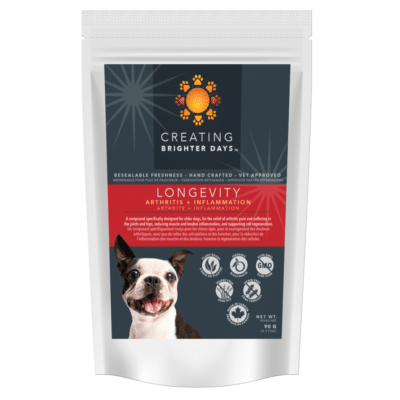
I have a senior Labrador named Gus who started showing signs of hip and joint support needs around age nine. He would hesitate before jumping onto the couch, and his morning walks became slower. My veterinarian recommended glucosamine and chondroitin supplements, which helped, but Gus still seemed stiff after long naps. Adding a non-psychoactive treat containing turmeric and omega fatty acids made a noticeable difference within a few weeks. The turmeric provided additional anti-inflammatory support, and the omega fatty acids supported his coat and cognitive function. He moved more freely, and his appetite improved.
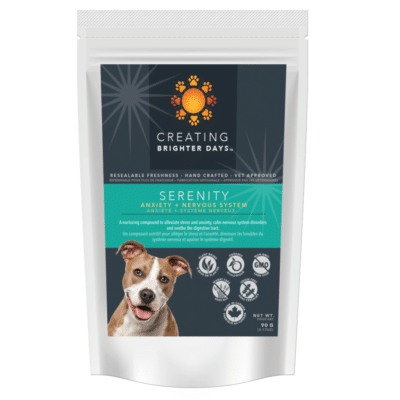
For cats, the challenges are often different. My friend's Siamese, Mochi, suffers from travel anxiety. Every trip to the vet involved hissing, drooling, and a stressed-out owner. Calming chews infused with chamomile and melatonin turned those car rides into tolerable experiences. The chamomile acted as a mild sedative, while melatonin helped reset Mochi's internal clock after the disruption. Neither ingredient is psychoactive, yet both address the root cause of the anxiety. This is the beauty of non-psychoactive pet treats: they offer relief without the unpredictability of a high or the side effects of prescription sedatives.
Ingredients That Work Together
What I find most impressive is how formulators combine multiple natural supplements to create synergy. A single calming chew might contain CBD as the anchor, then add chamomile for relaxation, L-tryptophan for serotonin production, and a small amount of melatonin for sleep support. The result is a product that works faster and more gently than any single ingredient alone. Similarly, joint-support treats often pair glucosamine with chondroitin, turmeric, and omega fatty acids to address inflammation from multiple angles. This approach mirrors how veterinary nutritionists design therapeutic diets for chronic conditions.
Organic ingredients are becoming more common in this space, and for good reason. Pets are smaller than humans, and their digestive systems can be sensitive to pesticides and artificial additives. Many owners, myself included, prefer treats that are free from corn syrup, artificial colors, and preservatives. Brands that use organic hemp, organic chamomile, and non-GMO carriers earn trust quickly. Kush Station, for example, carries products that highlight organic certification and third-party testing, which gives me confidence when choosing something for Gus.
What the Science Says (and What It Does Not)
Veterinary research on CBD for pets is still young, but early results are promising. A 2018 study from Cornell University found that CBD oil helped reduce seizure frequency in dogs with epilepsy. Other studies have shown that CBD can lower anxiety in dogs exposed to loud noises and improve mobility in arthritic dogs. The American Veterinary Medical Association has not endorsed CBD products broadly, but many vets are open to discussing them as part of a comprehensive pet wellness plan. I always recommend consulting your own veterinarian before starting any new supplement, especially if your pet is on other medications.
One thing to keep in mind: not all non-psychoactive pet treats are created equal. The market is still lightly regulated, so potency and purity can vary widely. I have seen products labeled as "hemp treats" that contain almost no measurable CBD or that use low-quality hemp seed oil instead of full-spectrum extract. Look for brands that provide a certificate of analysis from an independent lab. The label should state the amount of CBD per treat, the THC content, and the batch date. Treats that list vague amounts like "hemp powder" without specifics are best avoided.
Integrating into Daily Care
Using these treats is straightforward, but a little planning helps. I give Gus his hip and joint support treat with breakfast, so the glucosamine and turmeric have time to absorb throughout the day. For anxiety relief, I offer a calming chew about thirty minutes before a stressful event, before the groomer arrives or before a road trip. The effects typically last four to six hours, which covers most common triggers. For chronic conditions like arthritis or general anxiety, daily use is usually safe, but it is wise to start with a half dose and monitor your pet's response.
Feline health requires extra caution because cats metabolize compounds differently than dogs. Melatonin, for instance, can be effective but should be given in very small doses. Chamomile and CBD are generally well tolerated by cats, but always check that the product is specifically formulated for cats and not just a dog treat repackaged. Kush Station's feline products are clearly labeled, and their customer service team can answer questions about dosage and ingredients.
Looking Ahead
As more owners discover the benefits of non-psychoactive pet treats, I expect to see even more innovation in this space. Companies are already experimenting with time-release formulas, breed-specific dosages, and combination products that address both anxiety and joint health in one chew. The broader category of nutraceuticals for pets is growing fast, and for good reason: these products offer a gentle, natural way to improve quality of life for our animals without the side effects of pharmaceuticals.

For anyone new to this, I would start with a single-purpose treat, either for calming or for joint support, and see how your pet responds. Pay attention to changes in behavior, mobility, and appetite. Keep a journal if it helps. And remember that treats are just one piece of the puzzle. Good nutrition, regular exercise, and routine veterinary care remain the foundation of pet wellness. Non-psychoactive pet treats are a tool, not a cure-all, but when used thoughtfully, they can make a real difference.
I have seen it in Gus's easier stride and in Mochi's composed demeanor during car rides. That is the kind of result that turns a curious owner into a loyal customer.